Author: admin

  • The Many Benefits of Quiet Time For Children

    You might have heard of the old adage: distance makes the heart grow fonder. In this situation, that is likely true but on different grounds. You may have heard of the term Quiet Time. What is it exactly and how can time away from my children possibly benefit me as a parent? 

    Aside from the rewards of parenthood and the joyous moments of laughter and love, children can be quite a handful. Often, parents need a break from their rambunctious bundles of joy. 

    Quiet time is not to be mistaken for a ‘time out’. In some households and schools, a time out is the preferred method of soft punishment where if a child acts out inappropriately or misbehaves, they are sent to a corner to reflect on their actions for a certain amount of time, depending on their age. 

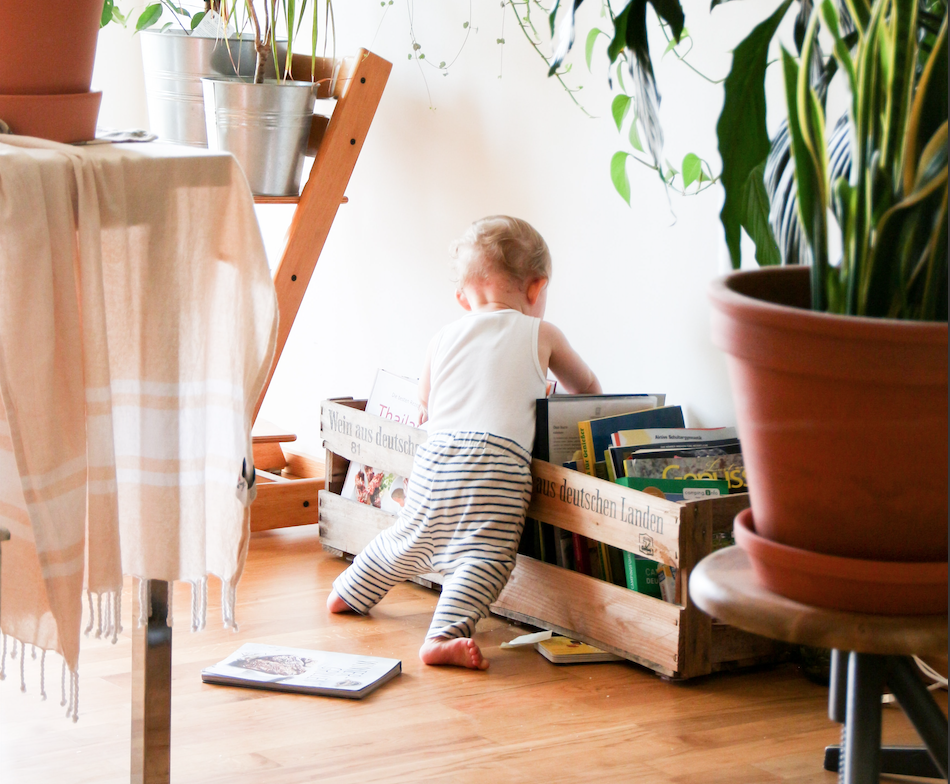
    Quiet time is quite the opposite of a punishment. Consider having an hour or at least 40 minutes dedicated to resting and allowing your body to just relax. Quiet time has been proven to be mentally beneficial not only for parents who are looking for a break, but also for the developing child. 


    Why Should I Start Quiet Time with My Child?

    Cognitive Development

    In a study conducted by the University of New York, researchers found that the brain tends to strengthen a memory during periods of rest while conscious. The machine used a brain scan called a functional magnetic resonance imaging (fMRI), which showed massive amounts of brain activity during periods of study and the following resting period. The conclusive results showed that rest is significant for cognitive or brain development ¹. 

    Creative Release

    Disconnect from technology. Children these days often spend time in front of a black screen consuming a wide range of content that may or may not be geared toward them or their age range. Taking this time out to let their mind wander without the constraints of consumer media would greatly benefit their creative side ². 

    The Practice of Mindfulness

    In today’s competitive society, anxiety and stress levels in children have been hiking higher with each generation ³. The pressure created by our fast-paced environment has translated not only in adults but in adolescents and children as young as 6 years 4

    To alleviate this concern, it’s good to teach your children how to manage their feelings and emotions through being mindful. Practising mindfulness helps a child connect and understand their environment around them. Children will need a lot of guidance in this aspect and will be a huge step toward building a focused mind so start small! Talk about the little things that matter, being grateful for the things that are taken for granted for instance.  

    Building Positive Solitude in Children

    Solitude can be described as a physical state of being alone. Whether positive or negative, parents can guide the child toward a better (positive) solitude experience. Research shows that during this time of seclusion, development of self-reflection, creative activity and development of personality takes place. These important brain activities were noted by psychiatrists who pronounce solitude as a developmental process that is equivalent to building strong relationships 5

    Builds Independence, Instils Confidence

    Does the proverb ‘the apple doesn’t fall too far from the tree’ sound familiar? Children are great at imitating and being the smaller version of yourself, because they regurgitate the habits of parents. But what happens when the parent isn’t around to show them how to do things? During quiet time, children are free to do as they please (within safe and acceptable constraints). They may take this time to realise that they are capable of doing certain things by themselves, thus instilling independence. 


    How Do I Start Quiet Time?

    There is no better time than the present. When you’re looking to build a habit, you must first start. If your child is already taking regular naps, assure them the importance of taking a break from time to time. This would be easier for when you want to transition out of regular naps and into quiet time instead. 

    It’s important to establish rules such as the time period of each quiet time – Is one hour of silence and self-reflection sufficient for both you and your child? 

    If you’re looking to use quiet time as part of your discipline strategy, keep in mind that discipline is about teaching the child about a certain behaviour and guiding them to express the appropriate response instead of lashing out when they don’t get their way 6.  


    My Child Is Resistant Toward Quiet Time – Help! 

    If your young one is not receptive to the idea, just keep in mind that any change in routine is a possible trigger. Be patient and introduce the concept gradually, reassuring the importance of quiet time for both yourself and your child. 

    For instance, ease your child into quiet time by giving them 10 minutes. Once the child is comfortable with the idea and has explored what they can do with the 10 minutes, gradually increase the time to 20 minutes, then 30 minutes and so on. 

    You can also opt for a visual aid and use a timer counting down to the end of quiet time. Being able to see how much time is left on the clock could console your child. Give suggestions to your child on what they can do during quiet time – let it be reading a book, playing with their toys or simply daydreaming. 


    Conclusion

    Theory may not always agree when it comes to practice but just remember that in order to develop a habit, one mustn’t stop. As parents, we always want the best for our young children so it’s important to be patient and consistent when implementing a new routine. 

    Take that break, mums and dads. 

    We all need it ☺ 


    Reference
    1. Quiet Time Benefits 
    2. A mind at rest strengthens memories 
    3. Discipline is not a punishment 
    4. Solitude in children and adolescents 
    5. Discipline strategies 
    6. Mindfulness and Education 
  • Parents’ Day Puzzles

    Parents’ Day Puzzles

    Happy Parents’ Day!

    Reveal the surprise picture by decoding our little puzzle.

    This simple at-home activity is for the whole family.

    It’s time to put your little one’s motor skills to the test!

    1. Download and print the Parents Day Puzzle pieces here (there are three images to choose from)
    2. Have your child (carefully) cut around the puzzle pieces.
    3. Put the pieces together to reveal the hidden photo!

    Or you can try out the puzzle online in the links to reveal the hidden photo & message.

    Choose different themes from Animal, Flower or Heart <3


  • The “Hot & Cold” Game

    The “Hot & Cold” Game

    If you’re looking for ways to teach your child patience and perseverance in a fun way without additional tools, here’s a suggestion:

    Try Hot & Cold!

    Grab your child’s favourite toy (or any small object) and hide it inside a room. For a younger child, bring him or her inside the room and hold out their hand. As they move closer to the hiding place of the object, shout out “warm”, “warmer” or “hot!” The farther they are from the object’s hiding place, the “colder” it is. Keep going until they manage to find their favourite toy.

    For an older child, you may start in a different room to make it a little more difficult to locate the object. If your child seems frustrated, it’s okay to give a little guidance and hold their hand for a little clue. This way, your child can also learn that just because you can’t see it – doesn’t mean it’s not there. They will also feel a sense of accomplishment once the “mission” is complete.

  • Math-Pong

    Math-Pong

    Looking for a fun game to play with the whole family?

    This game combines math and fun in a single box, literally!

    What you need:

    1. Old tissue box (or shoe box)
    2. Paper cups (or tissue roll)
    3. Ping pong ball
    4. Scissors
    5. Cello tape
    6. Marker pen
    7. Paper

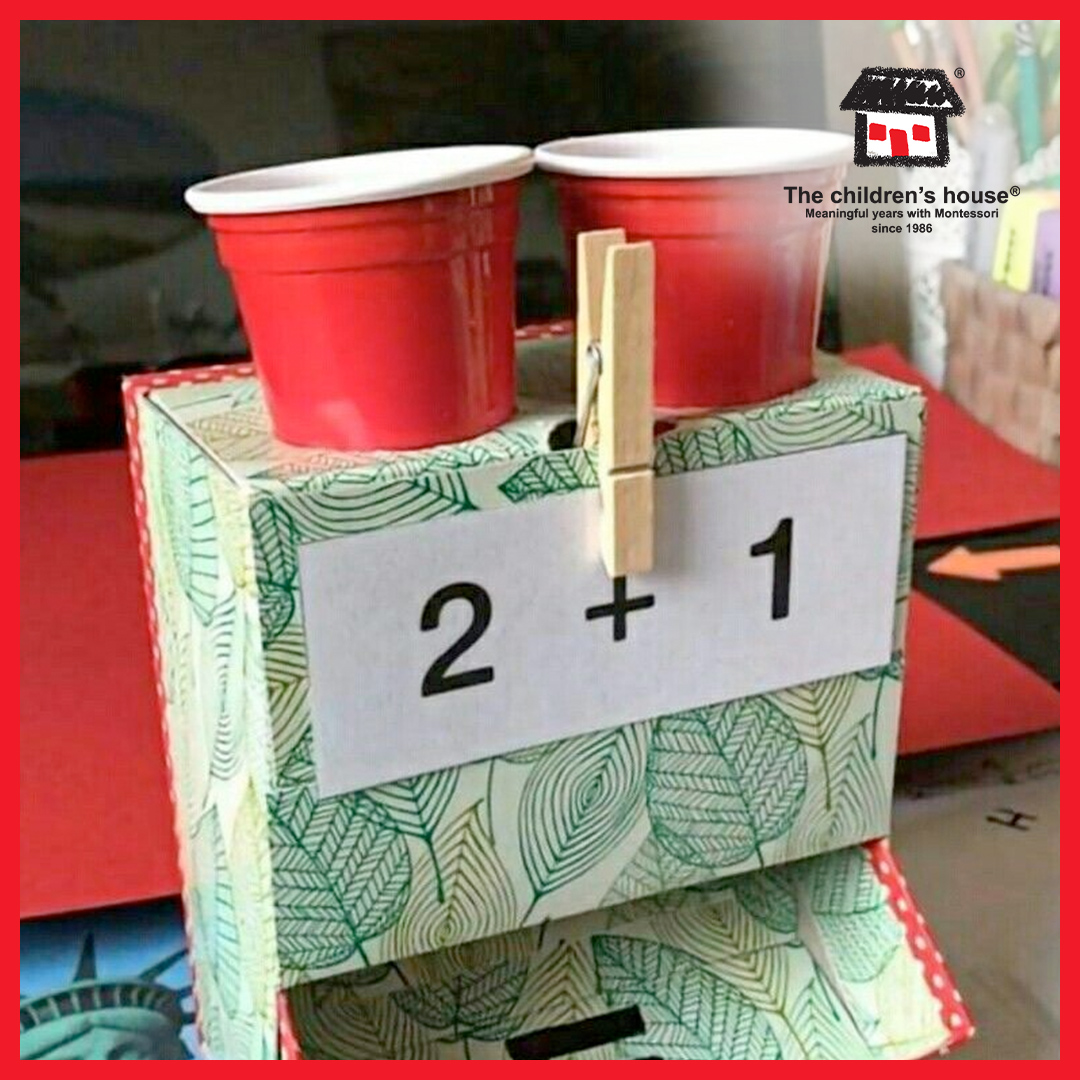
    Start with the body of your “math machine”. On one end, cut out two circles on the side that would fit your paper cup. Then at the opposite end, cut out ¼ of the surface so that the inside of the box can be seen.

    Next, cut out the bottom of the paper cup to ensure that objects can pass through and tape them to the hole of the body.

    Finally, write down math equations for your child to try! Let them put down the exact amount of ping pong balls (or any items that would fit the tube e.g. beads or buttons) and start counting!

  • Guess The Sound

    Guess The Sound

    How good is your child with sounds? All you need for this activity is a blindfold for your little one.

    Have them sit down while you strike, hit or tap on different household items. Tapping on a glass followed by a piece of cloth on the floor helps your child understand how certain things will produce a sharp clink, while others will absorb the sound like the cloth.

    This fun guessing game is one level above charades and helps your child recognise items that may have been unfamiliar to them before.

    What are you waiting for, mom and dad? Get to tapping that cupboard and banging that pan!


  • Charades

    Charades

    This classic game is always a family favourite.

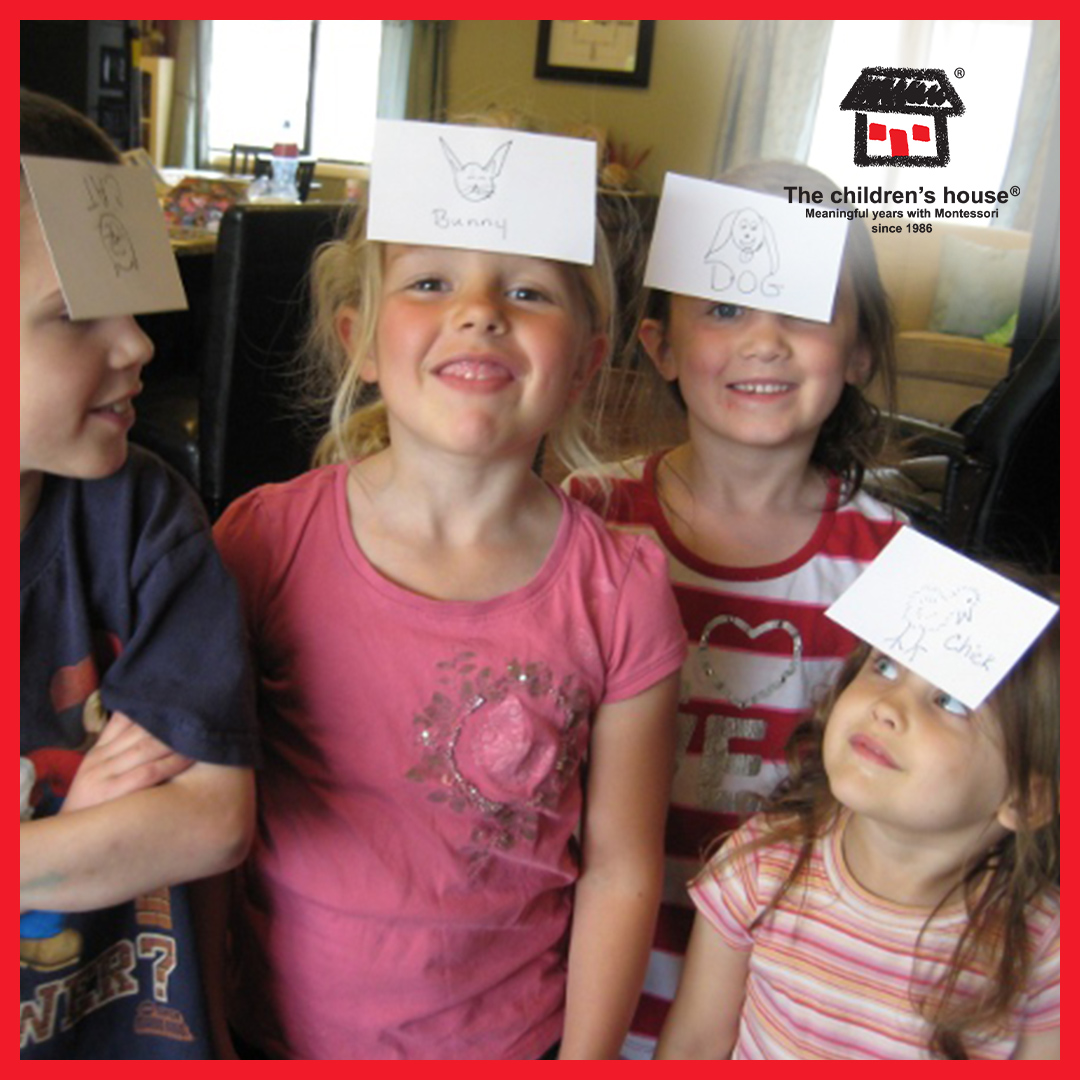
    Write down a simple prompt like “eating”. Act it out and have your child observe the action and say it out loud!

    Simple prompts like “eating”, “sitting” and “walking” are great for 3-4 year olds. You can add more advanced prompts like “eating an apple” and “lock the door” for older children or if you feel that your child is more confident!

    Go ahead! Record the action and share the family fun <3

  • Sunny Day Pin-wheel

    Sunny Day Pin-wheel

    Here’s a fun little idea that does not require sunblock!

    You will need:
    1. Cardboard box
    2. Colourful Manila paper
    3. Satay Stick
    4. Scissors
    5. Colourful Markers
    6. Straw

    First, you need to draw a circle and cut it out. Then, draw a smaller ring within. Using a ruler, section the outer ring into eight sections. Next, cut only the outer ring as shown in the image. Fold the cut outer ring into flaps toward one direction. Once the full circle has been folded, proceed to decorating the sun!

    Finally, puncture a hole in the middle of the sun using a satay stick and attach it to the piece of cardboard box to stay in place!

    Now your little one can have fun by blowing the straw and watching it spin! Courtesy of RedTedArt.


  • Snap A Picture! ⁣⁣

    Snap A Picture! ⁣⁣

    Montessori-At-Home
    ⁣⁣
    Dear Parents, thinking of those good old days where you and the whole family were having fun outside of the house? ⁣⁣
    ⁣⁣
    Let’s test the family’s creative skills by “taking a shot” of those memories! ⁣⁣
    ⁣⁣
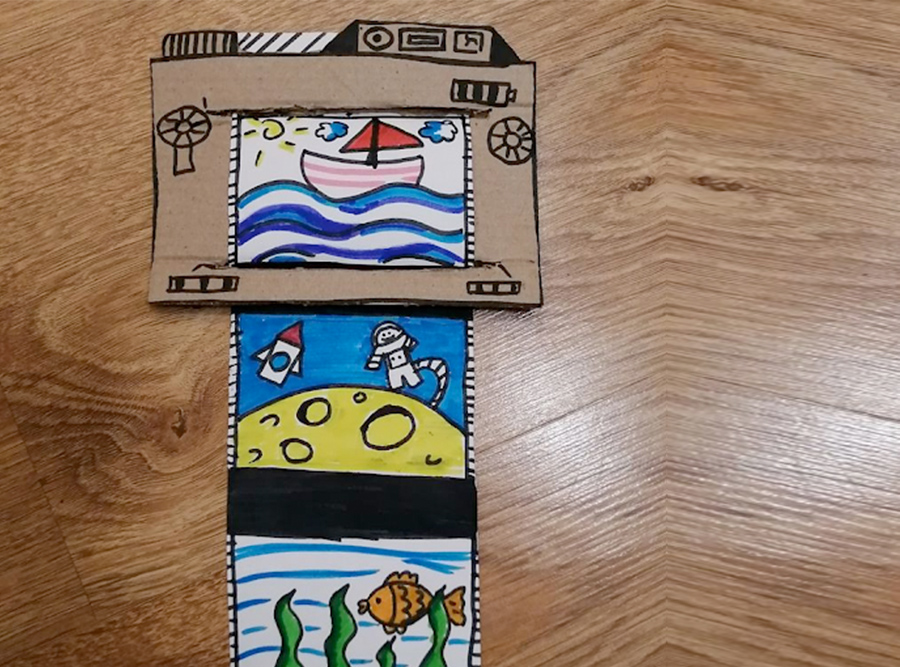
    First, cut out two pieces of cardboard that resembles the back of a camera. Empty the middle part where the image is usually shown like the image above. ⁣⁣
    ⁣⁣
    Glue only the sides of the “camera” and leave the top and bottom part free so that you can slide the “memories” ⁣⁣
    ⁣⁣
    Finally, cut out a template box that matches the size of the cardboard camera square. ⁣⁣
    ⁣⁣
    Have your whole family join in and draw their favourite memory or any picture they’re fond of. Your creativity is entirely up to you!⁣⁣
    ⁣⁣
    Photo courtesy of Pinterest. ⁣

  • Fancy Fish Activity

    Fancy Fish Activity

    Montessori-At-Home

    Under the sea, under the sea! 🎵🐠🐟🐙🐢🎶
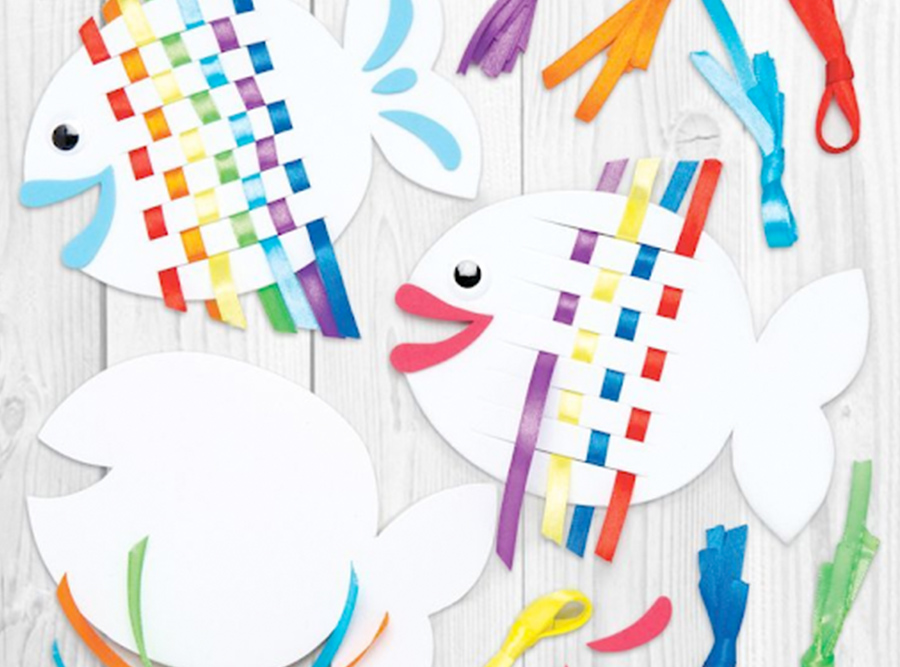
    Ocean life is pretty colourful, indeed! Let’s try this finger exercise with your little one. The complex weaving technique is great practice for their small fingers and the patterns are sure to inspire their creativity.

    You will need:
    1. Paper
    2. Pen
    3. Pen knife/cutter
    4. Ribbons

    Draw a fish (or any deep sea creature), leaving room for the weaving pattern on the belly. Next, cut out the fish and draw vertical lines in the belly section. Cut the lines with the pen knife. Later, use the ribbons and weave them through each section with an “over and under” pattern.

    The following ribbon should follow an “under and over” pattern. Repeat this until you have completed your colourful, weaved fish!

    Courtesy of Baker Ross UK.

  • A-maze-ing Marbles!

    A-maze-ing Marbles!

    Montessori-At-Home

    Here’s a really fun activity for your child (and you) to try out!

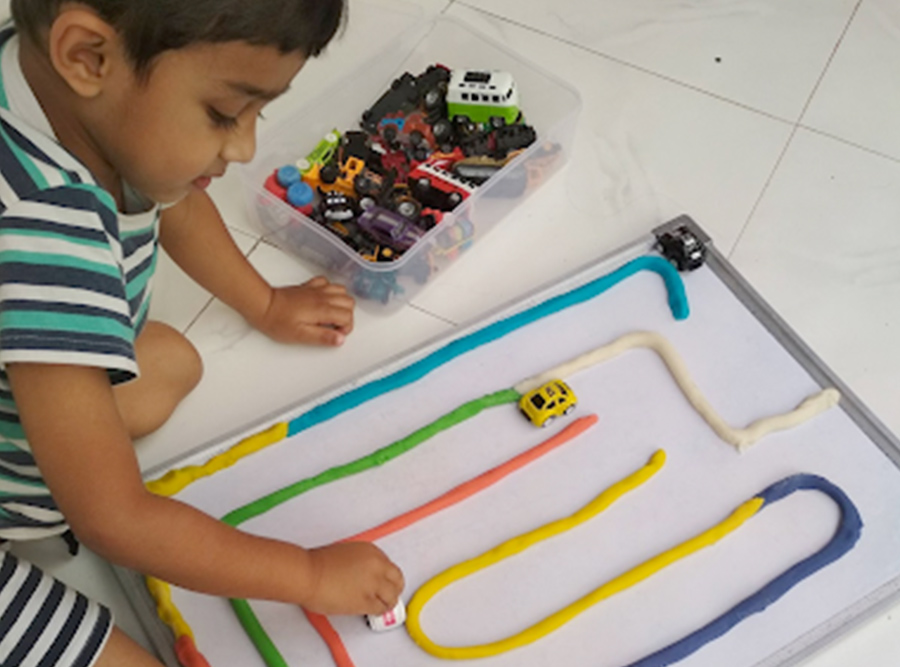
    All you need is playdough, a straw, and a marble (can be substituted with ping pong ball).

    First, build a simple track for your child with some elongated playdough.

    After the first demonstration, encourage them to add on to the track and build a maze instead!

    With the complete maze, ask your child to move the ball through the maze with the straw.
    Making a marble race instead? Don’t forget to keep the competition friendly for some quality family fun!

    This is sure to keep them occupied!

    Courtesy of Sonshine Mumma Blog.