Author: admin

  • How to keep your child healthy at preschool?

    How to keep your child healthy at preschool?

    7 tips to keep your child healthy at preschool

    Unlike your home where you can control the environment for your little one, you cannot do so in a school or a daycare. The environment will be standard for all children. This is a reason why many children fall sick again and again after starting preschool, especially if they have a weak immune system. That is why at The children’s house we are very particular about hygiene. Here are some suggestions on how to keep your child healthy at preschool.

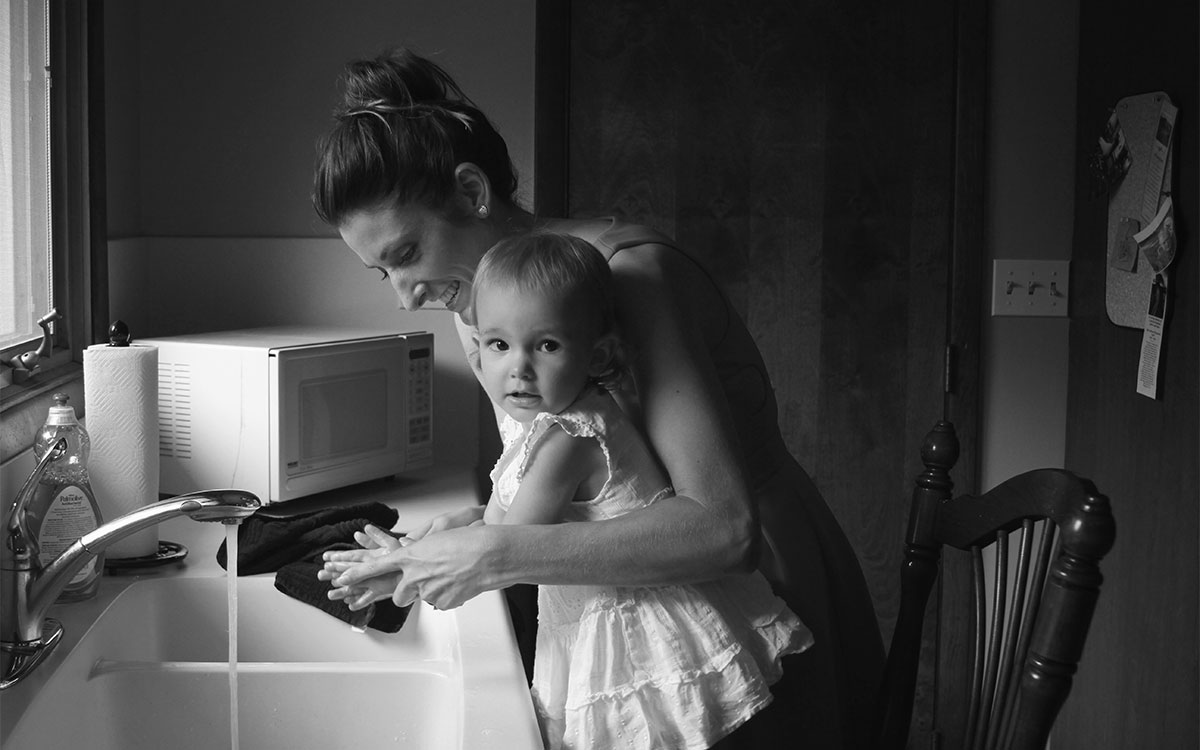
    Washing hands

    According to almost all doctors across the world, unhygienic hands are one of the main ways of spreading bacteria. Therefore, teach your children to wash hands every time they sit down to eat or use a restroom, or after wiping their nose. And this applies to adults as well. The school and daycare staff should be doing the same each time they feed a child, or change a diaper or use the restroom. You can stay back a bit at the school or daycare and see if this is being followed. If not, please raise your concern to the head of the preschool. As a parent, you have every right to do so.

    Ensure that your child is active

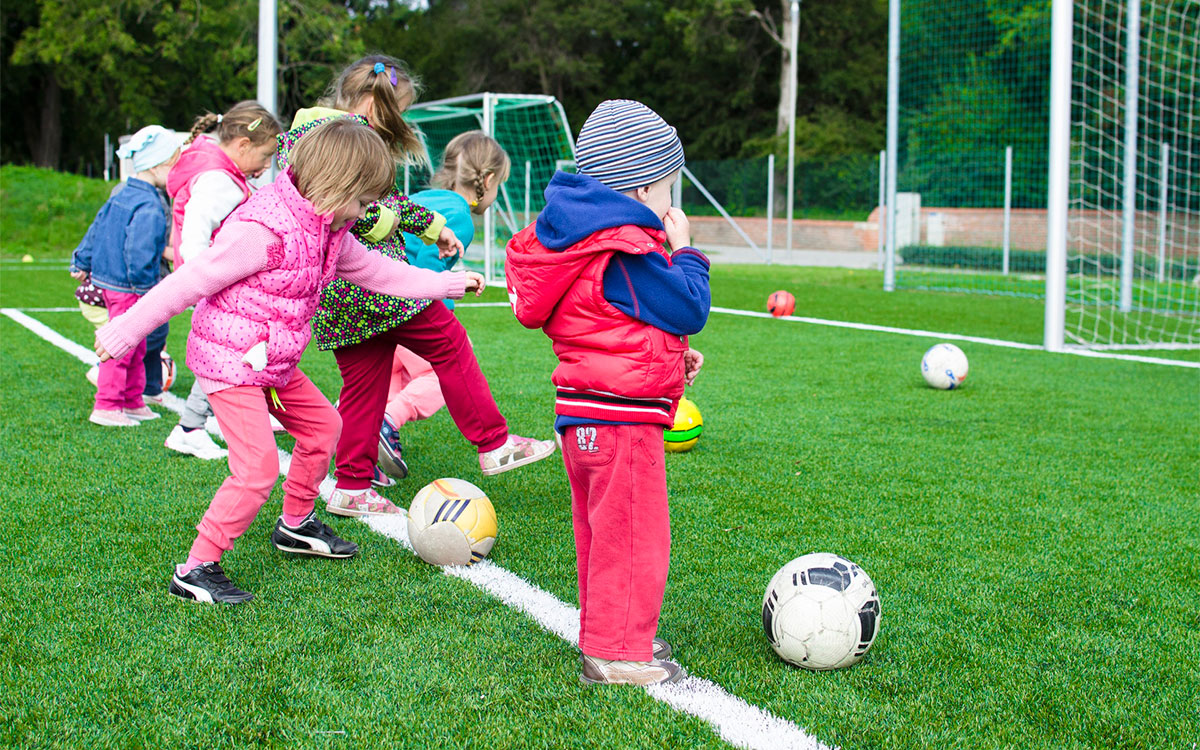
    Exercise is good for everybody. This holds true for children, too. There have been various studies on this subject that have shown that an active child has approximately 25% less chance of being down with cold or flu because of higher circulation of infection-fighting cells. To ensure that your child is active, take her to parks and play outdoor games with her. They are also great ways of bonding with your child.

    A nutritious diet

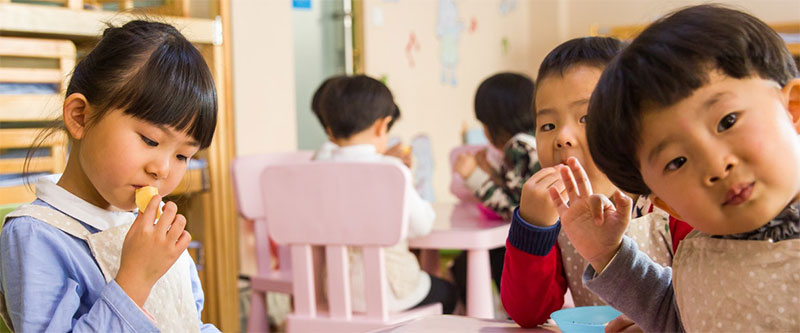
    A healthy diet from an early age will go a long way in building the health of your child. Unfortunately, thanks to smart advertising, children are enticed into thinking junk food is the most delicious thing in the world . But did you know, even coke has a ‘not recommended for children’ written in small letters on its labels? Try to prepare alternatives at home that look and feel like ‘fun’ food. There’s plenty of ideas available online that will help you whip up something interesting for your children. Let them get excited about what’s cooking at home.

    Ensure plenty of sleep

    A child’s brain matures as they sleep. This is a proven way of developing the pituitary gland functions. Ensure your child gets enough sleep every night. Sleep deprivations increase the chance of catching a cold manifold.

    Good manners

    While you don’t want your child to get contaminated, you should also ensure that your child is not doing the spreading of bacteria to others. Teach them to cover their mouth every time they cough or sneeze. And not with the palm of their hand but with the crook of their arm. Most importantly you should do the same yourself. Children learn a lot through watching mum and dad.

    Follow up on vaccinations

    Ensure your child has all the necessary vaccinations as suggested by your doctor. Vaccinations are important in ensuring your child doesn’t fall ill unnecessarily. Speak to your doctor to find out what’s best for your child.

    Know sick policies

    As a parent, it is extremely important for you to know the sick policies of the preschool or daycare. You don’t want your child to play with a child who has a pink eye or is down with the flu, and in turn, get infected. Therefore know what are the sick policies of the preschool so you can follow the policy when your child is down with an illness.

    Following these simple steps can go a long way in having a healthy child.

  • The best possible start for your child at The children’s house

    The best possible start for your child at The children’s house

    Montessori learning through The children’s house

    Every child is unique and is filled with an enthusiasm to explore the world around them. Each day in a child’s life is filled with the curiosity to learn something new. Hence, it is important that they find a caring environment that guides them on their individual path and inculcates a love for learning in them. This can only happen in a prepared environment where the child gets to work with materials that entice and engross his mind.

    The children’s house recognises the uniqueness of your child and is as passionate about your little one as you are. Children in their first stage of development from 0 to 6 years are like learning sponges. They have incredible powers of absorption and every new thing that they experience during the early years is crucial for their physical, social, emotional and intellectual development.

    Creating a loving and secure environment

    The children’s house focuses on getting it right from the very beginning. We understand that your child needs to go through a separation from the caregiver in order to socialise and enter into a new routine of going to school. Hence, the Infant and the Pre-tots programme aim to provide a secure and loving environment for your child through a foundation of Caregiving, Play and Attachment in the curriculum.

    While caregiving ensures respectful and responsive interactions with the infants and pre-tots, play greatly helps the children learn unconsciously. The programme includes engaging activities like Tots Art, Tots Music, Tots Read, Tots Gym, Tots Sensory Play and Sunshine Tots. Through a wide range of interesting activities, your child will acquire cognitive abilities, language skills, improved physical abilities, social and emotional skills required to be an active part of this world. Every activity is designed exclusively to stimulate the curiosity of your little ones as he progresses to the Toddler age group.

    A child-centred approach to education

    The environment at The children’s house is completely centred around your child. The Montessori method of teaching at Toddler, Preschool and Kindergarten levels provide a nurturing and non-competitive environment that focuses on the individual needs and development of every child. The school ensures that your child gets all the care and attention by keeping low teacher child ratios coupled with well-planned classrooms to avoid overcrowding. Trust is fostered through care and participation in activities like putting away toys and returning materials back to their places.

    It encourages self-education, where children learn in a prepared environment, that provides them with activities and presents opportunities for exploration, investigation and problem-solving. Children are given the freedom to choose their activity and have the responsibility of returning the materials to their places. These experiences not only give the child a sense of security but also stimulate intelligence and promote physical and psychological development. Their natural desire to succeed is encouraged by repetitive activities which help them perfect the art until they achieve a great sense of satisfaction and joy.

    Learning through a variety of engaging materials

    Children are provided with an encouraging environment with materials aimed at covering all areas of development. The didactic apparatus is specially designed for every level of childhood development. They start from being simple and gradually move on to more complex materials. For example from colour box 1 (primary colours) for level 1 to colour box 2 (secondary colours) for level 2  and colour box 3 (shades of secondary colours) for level 3. In this way, children learn to advance smoothly from one level to another without being perplexed by missing links.

    Programmes at every level in The children’s house aim to prepare your child for a smooth transition to the next level. Each activity is carefully designed to enhance the all-round development of your child. Given the fact that 90% of the brain development of a child happens before the age of five, it is important to understand that preschool is much more than just playing. Children start with concrete experiences and move on to abstract at a later stage. Concrete thinking is important for mental development as it provides a base for abstract thinking. Concrete experiences not only give children the ability to reason beyond limits but also help them interpret better.

    Rich learning experience through Montessori 

    By working independently on a wide variety of materials in a Montessori environment, children learn to make choices and develop problem-solving skills as they advance from one level to another. Their young minds first learn to explore, gradually developing the ability for abstract thinking. While the basic educational benefits of preschool (such as literacy and numeracy) are tangible, the advances children achieve towards becoming well-rounded individuals are truly invaluable.

    The children’s house provides your child with an environment in which a skilled observer (teacher) gives him the freedom needed to orientate his personality while helping him maintain self-control. Above all, through all the activities we not only respect the individuality of your child but they also learn to respect the teachers and other children.

  • Answering questions about early years and preschool

    Answering questions about early years and preschool

    Q&A with The children’s house

    In terms of a preschool education, what do Malaysian parents want most?

    Typically parents perceptions are more towards academics and they hope their children would learn to read and count after a few months of pre-school. Most parents are strongly in favour of high academic reputation and their expectations are high. They look at the quality of the service, facilities, trained staff and a strong academic curriculum in preparation for primary school as their reason for sending their child to preschool.

    Some parents desire for their children to mix with other children of their own age and some parents have said they felt social pressure to enrol their child in pre-school so they would not be behind their peers.  There are a small percentage of parents who prefer their child to learn through play, which is so fun because children love outdoor activities, music and movement and drama.

    Why is it important for early childhood education to centre around the child?

    Children are sponges and every new thing that they experience throughout their early years are important. This happens from ages 0 to 6 years, during the first stage of development. The child has incredible powers of absorption. The child needs a great degree of care from parents, careers and educators, as they are vulnerable. From ages 0-3 years, with a high quality of environment that provides movement, is positive, stimulating and has order and structure, greatly helps the child to learn unconsciously.

    Learning becomes conscious and the mind is still absorbent from ages 3-6 years. They have the inner drive for independence and can separate from their caregiver. They begin to express, have social awareness and friendships emerge. It’s best to start early than to wait, as the child will miss his incredible powers of absorption. Early childhood education is centred around the child so as to have well-rounded individuals.

    What do children of that age benefit from a preschool?

    A child has to go through the separation from their care-giver, socialise, be part of a routine of going to school and an environment where a teacher could give him the amount of freedom or he needs to re-orientate his personality while helping him maintain self-control.

    The child should be guided so that he can find his natural path and all this can only happen in a prepared environment where the child finds working with materials that entice and focus his mind. Working repeatedly with a task chosen freely by the child and with no interruptions becomes a good habit and forms neural pathways.

    Is it all about play?

    Preschool is so much more than just playing. While the basic educational benefits of preschool (such as literacy and numeracy) are tangible, the advances children achieve towards becoming well-rounded individuals are truly invaluable.

    Tell us about the Montessori Method

    Self-education, where children learn in a prepared environment, that provides them with activities and present opportunities for exploration, investigation and problem solving is an important part of The children’s house and the Montessori Method. Children also learn having the freedom to choose the activity with no interruptions and they have the responsibility of returning the materials to their places.  These experiences give the child a sense of security, stimulate intelligence and promote physical and psychological development.

    Individual didactic materials are provided to allow children to learn and teach themselves at their own pace. Materials are used by a child one at a time whereby a child learns to wait for his turn and this teaches them patience and respect.

    An environment prepared, safe and secure, which are filled with items that can be touched and manipulated by the child. It is placed neatly, orderly manner and made accessible to the child, whereby this encourages exploration. The child blooms with a pursuit for knowledge, creativeness and curiosity. Through this curiosity they also learn the world around them. Through all these activities, comes communication where their thoughts, feelings and information is shared. Communication is a key skill of life.

    Concrete experiences give children the ability to reason beyond limits and to be able to interpret better. Children start with concrete experiences and move on to abstract at a later stage. Concrete thinking is important for mental development as it provides a base for abstract thinking. With the help of the materials in a Montessori environment and interaction with teachers, the young mind first explores and then develops towards abstract thinking. Abstract thinking is an important for it allows logical and thoughtful behaviour.

    Preschool settings that encourage all these elements are important to set the foundation for learning at the primary level with thinking and life skills that will last a lifetime.

  • Giving infants the best daycare

    Giving infants the best daycare

    Giving your infant a great start

    Giving children the best possible start in life has always been The children’s house philosophy. What better way than to start from as early as 2 months through the school’s dedicated infant centres. The carefully crafted Infant Programme includes Baby Art, Baby Gym, Baby Read, Baby Touch, Baby Chef, Baby Music, Baby Sensory Play and Sunshine Baby.

    The programme is holistic and leverages on the optimum period of learning in infant development during the first three years of life. The holistic angle places emphasis on the development of infants’ emerging physical, sensory, motor, perceptual, cognitive, language and social-emotional skills.

    A holistic curriculum for infant development

    Babies need stimulation to encourage them to explore the world through all their senses — sight, sound, smell, touch and taste. Through the infant programme that creates specialised learning spaces, the babies are placed in an environment that gives them opportunities to experience different stimuli in a safe and encouraging space.

    The children’s house has created beautiful spaces with the babies in mind. The play area is colourful, surrounded by books and toys, cushioned crawl spaces and tall windows to let in natural light. The furniture and facilities in the environment are scaled down to their size to provide a safe and secure environment for the little ones. The experienced and well-qualified caregivers (aunties) interact with the babies and make them feel comfortable in the space.

    Parents can be assured that the centre is run on a framework of care, attachment and play.

    Core features of the Infant programme

    Caregiving – It provides the context within which much of infant learning takes place. It emphasises respectful, responsive and reciprocal interactions between the caregivers and the infants during routine caregiving. Careful attention is given to promoting infant well-being and comfort.

    Attachment – Infants develop and thrive best when given a nurturing, loving and responsive environment. Sense of trust, security and attachment is nurtured and it encourages exploration and the development of self-identity and self-esteem in infants.

    Play – Play creates opportunity and the context for infants to observe and learn about the world and enhances their cognitive abilities, language skills, improve their physical abilities, how to deal with various emotions, learning about themselves and what they are capable of.

    The children’s house is motivated to mould a generation of children who are socially and emotionally balanced, resilient and environmentally responsible through the integrated Montessori curriculum. The teachers and caregivers of The children’s house are trained and experienced in delivering memorable and positive learning experiences, as well as building close partnerships with parents in supporting the child’s needs.

  • Finding the right preschool curriculum for your child

    Finding the right preschool curriculum for your child

    Choosing a curriculum that suits your child

    The preschool years are extremely important as they build the foundation for your child’s learning years, and at the very least probably determine how much they enjoy school. Children have a magical capacity to learn and absorb information through the various activities they go through in their day. Therefore, picking the right preschool curriculum for your child can be quite overwhelming, especially since there are so many educational philosophies to consider.

    Which preschool curriculum suits your child best?

    There are three main elements that every preschool curriculum should deliver:

    It should create an interest in learning

    Avoid going for curricula that sound very academic or rigorous in nature. Instead, go for programmes that are inviting and create an enthusiasm to learn and excel. Look out for more hands-on activities, nature walks, sensorial materials, reading, culture activities, art projects and the like.

    It should promote wholesome development

    Irrespective of the philosophy, a preschool curriculum should stimulate learning while ensuring they meet the social, language, physical and cognitive development goals of the child. Children should have the freedom to move and socialise within a harmonious environment. Check if the activities are age appropriate and boost the all-round development of your child.

    The curriculum should be adaptable

    The curriculum should be designed in a way that it gives children the freedom to learn at their own pace. Learning takes its best course when children find meaning in what they are studying, not when we drill ideas and concepts into their mind through repetition. The goal is to help them discover their passion and develop a lifelong love of learning.
    Does the preschool curriculum accommodate your child’s learning style?

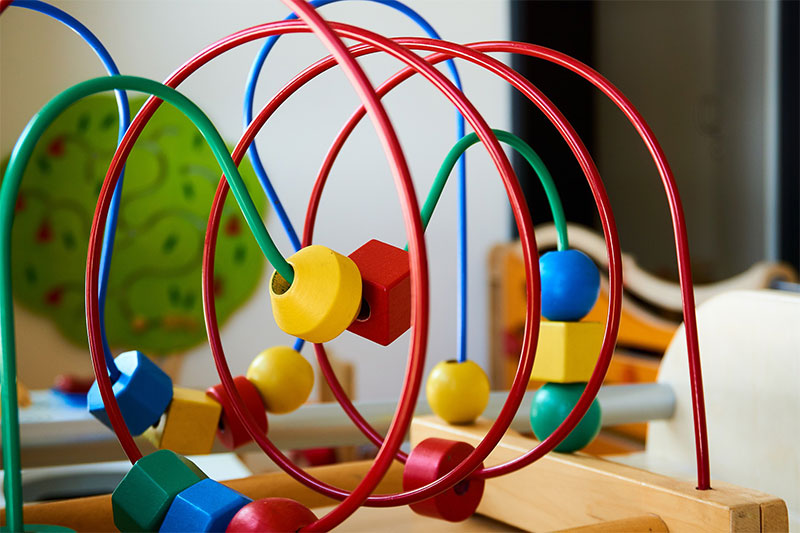
    Preschoolers cannot be burdened with worksheets and tests. We cannot expect children to complete writing work when they haven’t grasped how to hold a pencil. Children prefer moving around, playing and engaging in hands-on activities. Identify the learning style of your child and find a preschool that includes activities for all kinds of learners.

    For example, if your child is a visual learner he might love to learn by watching activities, events, images or science experiments. Visuals learners are very observant and they like to soak in in the details. If your child is a tactile or physical learner, they would love to jump, dance, run and interact with the environment around them. On the other hand, an auditory learner enjoys learning through stories and conversations.

    Does the curriculum give you learning opportunities?

    A great curriculum is not only beneficial for the child but also the parents. Involvement of parents in the learning process of the child is essential to their success. Do they allow you to get involved in the child’s learning experience? How do they communicate their goals so that you can work with the teacher to help your child perform better? Parenting classes or tips are also a great way to help you work for the well-being of your child.

    Time to switch preschools?

    Your child hates to go the preschool and you have come to a point where you are considering other alternatives. Maybe your child is too shy and has problems interacting with people and therefore needs a preschool that is gentle and has methods of helping children get along with each other – even the shy ones. Maybe your child needs a little more attention from the teacher and would work better in a low-ratio classroom? No matter the circumstance, if your child hates going to preschool, then something should be done about it immediately as there are many years of learning ahead and you don’t want a child who hates school.
    the right preschool curriculum for your child

    Play-based or academic curriculum?

    In play-based curriculum, children mostly choose activities based on their interest. Though it might just look like they are playing, they are actually learning valuable skills including social skills through interaction and cooperation.

    An academic-based curriculum is more teacher-directed. Teachers plan the activities for the children and guide them through the process. This kind of curriculum is specially designed to prepare children for school. It mainly consists of learning letters, sounds, shapes, colours and other skills.

    So which preschool curriculum is best?

    Most parents prefer academic-based learning as they want their child to have a smooth transition to school. However, this is true only to a certain extent. The preschool years are an important time to develop social and emotional skills, which help to set a stage for academic learning. If you feel that a play-based curriculum is not suitable for your child as it might get chaotic, you could go for a setting that is more structured.

    The Montessori Method gives you the perfect combination of an academic and play-based curriculum that nurtures an active learning style in the children. The didactic materials have been developed by Dr Maria Montessori through years of extensive research culminating in a scientific pedagogy that has been highly appreciated by parents and children alike.

    Your child can enjoy a wide range of intriguing materials like jugs, bowls, spoons, ladles, sensory materials, language materials, and number work coupled with the adventure of outdoor play, nature walks, cultural activities and projects. The 5 core areas of the Montessori approach include:

    Practical life

    The practical life area encourages the child to perform activities such as spooning, transferring, and pouring which help in the development of coordination, improves concentration and fosters independence.

    Sensorial

    The sensorial materials help the children refine their senses of touch, smell, taste, sound and sight through new experiences. The materials aid in the development of the cognitive abilities of the child.

    Language

    The language materials encourage the children to develop both reading and writing skills. Teachers also introduce the phonetic approach which enables the child to move gradually from simple words to full sentences.

    Number work

    The number work materials consist of fun and intriguing materials which introduce various mathematical concepts to the child. They provide a hands-on and minds on approach to learning number work.

    Cultural activities and projects

    The cultural activities and projects help the child to understand the world and connect with it in a better way. The projects are supported by the concrete materials which are further classified under subjects such as geography, history and botany. Music, art and craft are deeply interwoven in the daily approach.

    The lessons in the Montessori method are delivered individually as well as in groups. This helps the teachers to understand and discover more about each child and their development. By participating in the group activities, children learn to interact, build relationships and help each other. Even decades after its creation, the elements of the Montessori Method continue to stay relevant, making it one of the more popular preschool curricula among parents across the world.

  • For the love of teaching, and children

    For the love of teaching, and children

    Teachers play a great role in our lives, especially in the early days and have a greater impact on our successes than we typically realise.

    Children, especially at a young age are so excited about the world around them. They are filled with curiosity and an imagination that is sincere and generous. Every day is an opportunity to discover something new about themselves and the world around them. Thus, it is important that they find teachers who are filled with the same passion, allowing them to explore their talents and inculcate the love of learning. Every child is unique and a passionate teacher can identify their uniqueness and support them on their individual paths. A passionate teachers cares enough to provide all the support and resources necessary for a child’s development. It is these early years of a child’s growth that form the foundation to later years as a successful adult.

    Lasting impact of a teacher on young minds

    In his blog The GatesNotes, Bill Gates writes about how Mrs Caffiere, a librarian and teacher, helped him break out of his shell by sharing her love of books with him. While Gates was a timid 9-year-old boy shying away from everyone and trying to hide his love for books, Mrs Caffiere helped him recognise his strength and encouraged him to do what he loved.

    “Looking back on it now, there’s no question that my time with Mrs Caffiere helped spark my interest in libraries (Melinda’s and my first large-scale effort in philanthropy) and my focus on helping every child in America get the benefit of great teachers,” says Gates in his blog post A Teacher Who Changed My Life.

    Teachers are the ones who recognise the natural talents of the students and build an environment that is conducive to their learning. It is remarkable to see how a teacher can have such a powerful influence in shaping the personality of a young child.

    What does research say about teachers?

    The influence of a teacher is not just limited to a student’s academic life but goes a long way resonating through various other stages. Economists Raj Chetty and John N. Friedman and Jonah E. Rockoff conducted a study on more than a million students and released it in their paper entitled, The Long-Term Impacts of Teachers: Teachers Value-Added and Student Outcomes in Adulthood.

    They found that high ‘value-added’ teachers not only have an impact on the test scores of students but also improve their chances of attending good colleges, earning more, living in better neighbourhoods and saving more for retirement.

    However, it is also important to understand that a teacher who lacks interest can be detrimental to a student’s development. Such a teacher might just follow the instructions of the regulators, being ignorant to the needs of the student.

    Just like the passion of a good teacher is contagious and motivates students to achieve higher goals, an indifferent teacher can lead to lower self-esteem in a child. When children feel accepted by their teacher, they believe in themselves too. On the contrary, an uninterested teacher might tear down the self-esteem of the child. Such children often grow up to be adults who are insecure and focus on their failures more than their successes.

    The mind of a young student is fragile and needs to be moulded and nurtured in order to pave the way for success. If the talent of a child is not recognised and nurtured, it leads to low self-confidence and often a state of delusion about what they want to do in life.

    Research states that it is what teachers know, do, and care, which accounts for 30% of the student’s achievement. While one student might need the motivation to play the next match after an injury, the other might be going through personal troubles and needs someone to talk to. Students in all stages of their life need a teacher who can inspire them and re-instil faith in their capabilities.

    Do you remember that one teacher who inspired you to be who you are today?

  • The key elements of the Montessori Method of teaching

    The key elements of the Montessori Method of teaching

    The wonders of the Montessori Method

    The Montessori Method of education was developed by Dr Maria Montessori, based on her keen observations of how children learn in a carefully prepared environment when they are given the opportunity to educate themselves.

    Even after a century after its creation, the Montessori method of education remains popular among teachers and children. Irrespective of the changes in national education systems around the world, the elements of the Montessori Method have remained relevant and have stood the test of time.

    Respect the child

    Respect for the child is the first principle, which has been the cornerstone of Montessori Method since its inception. This is the element where a child is given the freedom to select the material he wants to work with. When we respect the choice of the child without interrupting him, a positive environment for learning is created. “As a rule, however, we do not respect children. We try to force them to follow us without regard to their special needs. We are overbearing with them, and above all, rude; and then we expect them to be submissive and well-behaved, knowing all the time how strong their instinct of imitation is and how touching their faith in and admiration of us”, said Dr Maria. She believed that children have a strong instinct to imitate us. Hence, they must be taught with kindness if that is what we want them to reciprocate.

    Absorbent mind of children

    Dr Maria observed that young children are like sponges who have an incredible power of learning and absorbing from the world around them. She believed in the capability of children to educate themselves. “It may be said we acquire knowledge by using our minds; but the child absorbs knowledge directly into his psychic life. Simply by continuing to live, the child learns to speak his native tongue”. Children are born with an innate ability to learn that depends on their environment, experiences and interactions.

    Sensitive period

    It refers to that period of time when a child is immensely focused and his brain urges him to learn a particular skill or immerse in an experience. It can be recognised in situations like a child’s interest in repetitively doing the same task till he masters it. The Montessori programme provides a child with an extended period of activity without any interruption. As a result, children follow their interest and progress naturally. The role of a Montessori teacher is to carefully observe these periods and based on this, the child can be guided towards the material that is best suited to his interest and the stage of development.

    the Montessori Method of teaching

    Prepared environment

    From her extensive research on the learning process of children and their development, Dr. Maria concluded that children learn best through independent learning in a prepared environment. The Montessori Method provides children with engaging activities and opportunities to learn and explore materials of their choice. The prepared environment in a Montessori preschool is focused at child-centred learning where educational experience and materials are available in a systematic way.

    Autoeducation

    Dr Maria believed that children have the ability to educate themselves when provided with a carefully prepared environment. When children are actively involved in a prepared environment with no interruptions, and a freedom of choice, they absorb and learn from their experiences. The role of the teacher is to facilitate the learning and guide the children without making her presence felt too much.

    The children’s house is an excellent Montessori centre that has adhered to the Montessori method of teaching for more than 30 years and still believes in it. Founded in 1986 by Nan Civel, the organisation has held on to Dr Maria’s educational materials in five curriculum areas: Practical Life, Sensory Activities, Number Work, Language and Culture. The curriculum engages students in a wide range of activities and values required for the holistic development of the child.

    The children’s house ensures that all the furniture and material is scaled down to the size of the child and the environment is completely child friendly. By engaging children in purposeful activities like Tots Arts, Tots Music, Tots Gym and Sensory Play, the school aims at physical, social, emotional and intellectual development of the child. The well-planned classrooms and lower teacher child ratio encourage optimal learning and ensure complete care and attention to your little one.

    It also collaborates with the parents to help them understand and share the joy of their child’s progress. Apart from conducting parent-teacher meetings on a regular basis, The children’s house encourages the participation of parents in the learning journey of their children. Parents are invited to events like cultural day celebrations, annual events (such as festival celebrations) and parent involvement projects (planting of vegetables). The children’s house believes that parental engagement is an essential factor for the all round development of the child. It fosters love, care and an enriching environment of mutual respect for the growth and development of the child.

  • The ultimate guide to discussing the elections with your children

    The ultimate guide to discussing the elections with your children

    Helping children cope with curiosity about elections

    As parents, we all want our children to grow up to be responsible citizens of the country, actively participating in the growth of the nation. We can often resort to over protecting them from various ideologies instead of educating them in a way that helps them differentiate between the positive and the negative.

    They already know ‘elections’

    Whether you like it or not, children have overheard and picked up a lot of information from the conversations happening around them. Be it small discussions with friends, learning about parliament in the classroom or listening to your conversation at the lunch table, kids ‘know’ a lot more than you realise.

    Most often than not, kids are also aware of many political issues because of the news doing its rounds on the television and through social media. Hence, instead of picking up bits and pieces of information from elsewhere, it is good to engage kids in useful topics and stories, age appropriately of course. In this way, they will learn how to discern and differentiate between fact and fiction.

    Ease fears through awareness

    There is much activity that comes along with every election. People organise rallies, protests and the media covers all the excitement and confusion 24/7. We all know that these topics often induce a feeling of fear and bewilderment in kids who may not be so comfortable with a politically charged environment.

    Younger children may get worried as they have a short attention span and often pick up only the alarming bits of information from a conversation. There are many things they do not know and when they are unable to understand the matter, it might create unnecessary distress in their minds. Telling them about the situation creates context and it will help them understand some important issues of today without being fearful or anxious.

    Present views respectfully

    A lot of time we watch election candidates engaging in heated debates where they choose poor communication methods when disagreeing with each other. Such instances can be used as opportunities to explain to kids about respecting the views of others and teaching them how to express their discontent in the right way.

    Kids need to understand that we are bound to disagree with each other on certain issues but what matters the most is the way we choose to disagree. In this way, kids will learn how to have an opinion and at the same time respect the view of others.

    A sense of social responsibility

    Teaching them about politics doesn’t mean you should indoctrinate your kids, it is about inculcating a sense of responsibility in them. While they learn concepts like justice and equality in the classroom, answering their questions about the importance of voting can help them become socially responsible citizens in future.

    Young children might find it difficult to understand the complexity of the political system but they do understand the basic concepts of fairness or justice, which form an important part of  democracy.

    You can teach the children little facts about the role of a parliamentarian or prime minister. Voting can also be made easy and fun to understand by creating opportunities for children to learn the mechanism; they can vote for the location of the next family holiday or what game to play on game night.

    With older children, who understand about the government and different political parties, you can teach them about democracy, history of the nation and patriotism.

    Fun activities with kids

    Young children mostly learn through imitation. Hence, you can take them with you when you go to the polls (just not inside the voting booth!) or for a visit to historical sites and museums where learning can be fun. Get involved in issues which affect the lives of others such as conservation of natural resources, improving education for the less privileged or other volunteering activities that you are interested in.

    Though these things do not relate directly to politics or voting, children learn a lot about how small acts can make a big difference in the lives of others. In older children, the learning deepens as they read stories and explore the history of their nation. Eventually, they will also participate in debates or discussions at school and develop an interest in volunteering for various activities and causes.

    Learning about politics or history doesn’t have to be dull or inflict fear. Engaging your child in conversations that are interesting and thoughtful, and visits to historical sites and museums, will make them aware of their social responsibility as citizens of the country and they will eventually understand the different facets of politics.

  • Family time is the best investment you can make

    Family time is the best investment you can make

    Why should family time be on your priority list?

    You love your family and you spend so much time and effort in giving them the best of every material thing that you can afford. You count every minute as precious and make investments to secure the financial future of your family. But you still find that sometimes the family may not be as close or happy and that makes you think, what have I have missed?

    Perhaps, you missed the most important thing that your family needs, your time. Spending time with your loved ones is the best investment you can ever make. We’ve heard it a hundred times before – quality trumps quantity every time.

    It creates memories to cherish forever

    How clearly do you remember the first bicycle that dad bought you or perhaps it was a video game? But the most fun was the time spent with him learning to ride the bike or shooting down demons in some fantasy universe. Be it the memories of helping your mother bake goodies for Christmas or your grandma telling you bedtime stories, every memory of the time you spent with your loved ones is something you cherish. Spending time with family creates memories for both parents as well as children, and these are the very memories that influence and inform choices as children grow into adults.

    Makes your children feel loved

    It’s a tough world to grow up in. Hence, sometimes we get so anxious in raising successful children that we often forget the real meaning of spending quality time with them. Spending time with children doesn’t include rushing them to school, followed by coaching classes, extracurricular activities and homework supervision. It means being fully engaged with your child in any activity that makes him feel loved and wanted. When children feel loved and valued by parents, they feel positive about themselves and grow up to be confident individuals.

    Helps in the all-round development of children

    Research indicates that early parent-child interactions contribute positively to the brain development of the child. Ninety percent development of a child’s brain takes place during the first three years. Hence, when parents engage in small activities with their toddlers like peek-a-boo, playing catch, puzzles and filling a bucket with toys, they are helping their child to learn and develop.

    Develops a sense of security in the child

    What a child at any age seeks the most is a sense of security. Family time assures your child of that security. You don’t need to wait to find time for luxurious activities to make it meaningful for your children. Take a short walk to the shops, help your child build a lego spaceship, or give tips to your son while playing a backyard game of football with him. Children tend to share more about their day while they are enjoying an activity with mum and dad.

    Eat together

    A natural way of spending time with your family is to have dinner together. The US National Center on Addiction and Substance Abuse (CASA) conducted a study and found that teenagers who do not have frequent family dinners are “twice as likely to use tobacco, nearly twice as likely to use alcohol, and one and a half times more likely to use marijuana.” Teenagers usually like to spend more time with their friends. So, family mealtime can be a natural way to connect with them without making them feel interrogated. You can use this time to talk, share your own childhood stories, connect with them, observe any changes in their behaviour and spot the cause of any potential issues. Do not worry if you have a packed schedule and cannot be present regularly for family dinners. Aim for 2 to 3 family dinners a week. Also, try to engage the entire family from adults to children in menu preparation, grocery shopping and cooking on a weekend.

    Go for outings

    If you are an adventurous parent, then taking your family on excursions or short holidays is not only a good way to refresh yourself but also a good time to strengthen your family bond. Studies reveal that families that enjoy activities together have strong emotional ties and greater ability to overcome adverse situations as a family. Spending time with the family and understanding each other also helps in the development of the child’s emotional intelligence. Your child is likely to develop a positive behaviour and learn social skills by regularly interacting with parents and siblings.

    Invite parents home

    Not only your children but even your parents and spouse need your time. If your parents stay with you, having meals together can be a fun time for sharing family anecdotes and other valuable lessons that inculcate a sense of belonging with the family. Family members of all ages tend to eat better if they have meals together. It is also a good time to try new food. Children are more likely to enjoy the food that parents like to eat.

    If your parents stay away, invite them home on weekends or visit them. Loneliness is also a reason for their ill health or sickness. Spending quality time with parents is very important for their mental and emotional well-being as well. Take your children with you to visit your parents. Grandparents love to share stories and play with their grandchildren. The lessons passed on by grandparents are the ones children remember forever. They also learn to live a balanced life and value their parents when they see you doing the same to your parents.

    Last but not least, make time for your spouse and keep working on the marriage. Appreciate each other and take the time to discuss your day. A good understanding between a husband and wife is the foundation of a strong family. Always remember, happy parents raise children who grow up to be happy adults.

  • How early should you put your child in preschool?

    How early should you put your child in preschool?

    Is there an optimal age for preschooling?

    Most of the preschool start enrolling children at the age of 3 years, but does that mean your child is ready for it? More importantly, are you ready for it?

    The readiness of your child to join a preschool is not determined by his age. It might be tempting to look at a set of interesting activities and conclude that your child will be able to do it. But the important question is: Is your child ready to part with you and join a structured programme along with other children of his age group?

    Experts suggest that preschool is an experience that should not be missed. As a parent you want your child to have a solid foundation to start with. But it is equally important to analyse its benefits and pitfalls before you decide to put your child in a preschool.

    Preschools help your child develop social skills

    The benefits of preschools isn’t just limited to just academic growth of your child. Some parents tend to push their children to join a preschool thinking their children will get ahead in academics. Contrary to general belief, the most important benefit of a preschool is that children learn to socialise and interact with other children and teachers. It inculcates the love for learning in children and teaches them how to share, adjust and get along with their peers.

    Playdates and outings are not always enough for the child’s social development. At preschool, your little one learns to get along with other children and resolve his own conflicts without the intervention of parents.

    You cannot replicate the same environment at home

    The comfort, free play and values that kids receive from staying at home cannot be denied. At the same time, preschool offers an organised learning environment that cannot be created at home. It offers the right mix of structured and unstructured activities to enhance the growth and development of your child.

    Even if you decide to teach your child at home, it is very difficult to stay consistent with your efforts. You have to intentionally work on teaching your child the skills that other children are learning at school. The curriculum at preschool is composed of activities and materials that entice the children to remain engaged and help them learn unconsciously.

    Your child learns to trust and build relationship with others

    A toddler is usually very attached to the caregiver and has a difficult time being with other adults. Some of them might even feel strange in the presence of friends and family members. Going to preschool gives your child the opportunity to interact with other adults apart from you. He will be able to talk and voice his concerns to teachers. Hence, it fosters a feeling of trust and the child feels assured even when you are not around. Patience is also an important virtue that the child imbibes during his journey at school. Children are used to undivided attention from the family and the caregiver. Whereas, at preschool, they need to wait for their turn as there are other children who require the same attention.

    It prepares them for smooth transition to school

    Preschool provides an environment that prepares your child for a smooth transition to kindergarten and school. Getting up on time, eating lunch by yourself, following the instructions of teachers, playing and getting along with other kids, and learning in the class are few activities that prepare the child for his daily routine at school. In short, it bridges the gap between home and primary school.

    Handling the anxiety of separation

    If your child is not ready for preschool, he might go through separation anxiety and stress that makes you feel guilty about your decision. Going to school is a big change in the schedule that your toddler has become accustomed to. He sees new people around and takes time to trust and understand teachers and peers.

    As a parent, you need to be prepared to handle difficult mornings when your child doesn’t want to go to school. Kids might get sick, throw tantrums or put up fights in the initial days to stay home. Be prepared to handle these challenges and take extra care of your child in these initial days.

    Difficult daily schedule and timings

    While some preschools have a flexible schedule, others demand that a strict routine be followed. This might make it difficult, especially for working parents. Moreover, the high cost involved in before and after school facilities make it a tough call for parents. You might need to leave soon or start early depending on the schedule of your child.

    should you put your child in preschool?

    Packing lunch and other toiletries

    The best thing about having a caregiver at home is that you have everything ready for the child at home. From daily meals to changing of diapers, you don’t need to worry about anything. This is not the case when your child starts going to preschool. You are responsible for preparing food and packing it according to preschool’s instructions. You might also need to pack spare clothes or a blanket in case it is required by the school.

    Preparing your child for preschool

    Before you decide to put your child in preschool, do your research.Talk to teachers, principal and friends who have experience with their children attending preschool. Learn about the goals of the preschool for your child’s age.

    If your child is not yet ready to join a preschool, do not worry about it. Try to instil anticipation and enthusiasm instead of anxiety and distress. Build a positive environment at home where you talk to your kids about the fun they will have in preschool and new friends that they will make. Children feel secure when you introduce an idea to them before executing it.

    Helping the child to become independent is another important step towards getting him ready for preschool. Encourage them to do small activities like brushing their hair or putting on their shorts. This gives them a sense of accomplishment and they feel comfortable moving on to the next level. After all, self-confidence is the best virtue that can ease your child’s journey through all his schooling years.